


Vietnam



0
October 17, 2026


Have you ever been somewhere where the mornings begin with the clink of coffee glasses on tiny plastic stools, and the whole street seems to wake up together? That is Vietnam for us. The country runs long and narrow for more than 1,600 km, from misty rice terraces in the far north to the slow, water-laced Mekong Delta in the south, with limestone bays, lantern-lit old towns and a seemingly endless coastline in between.
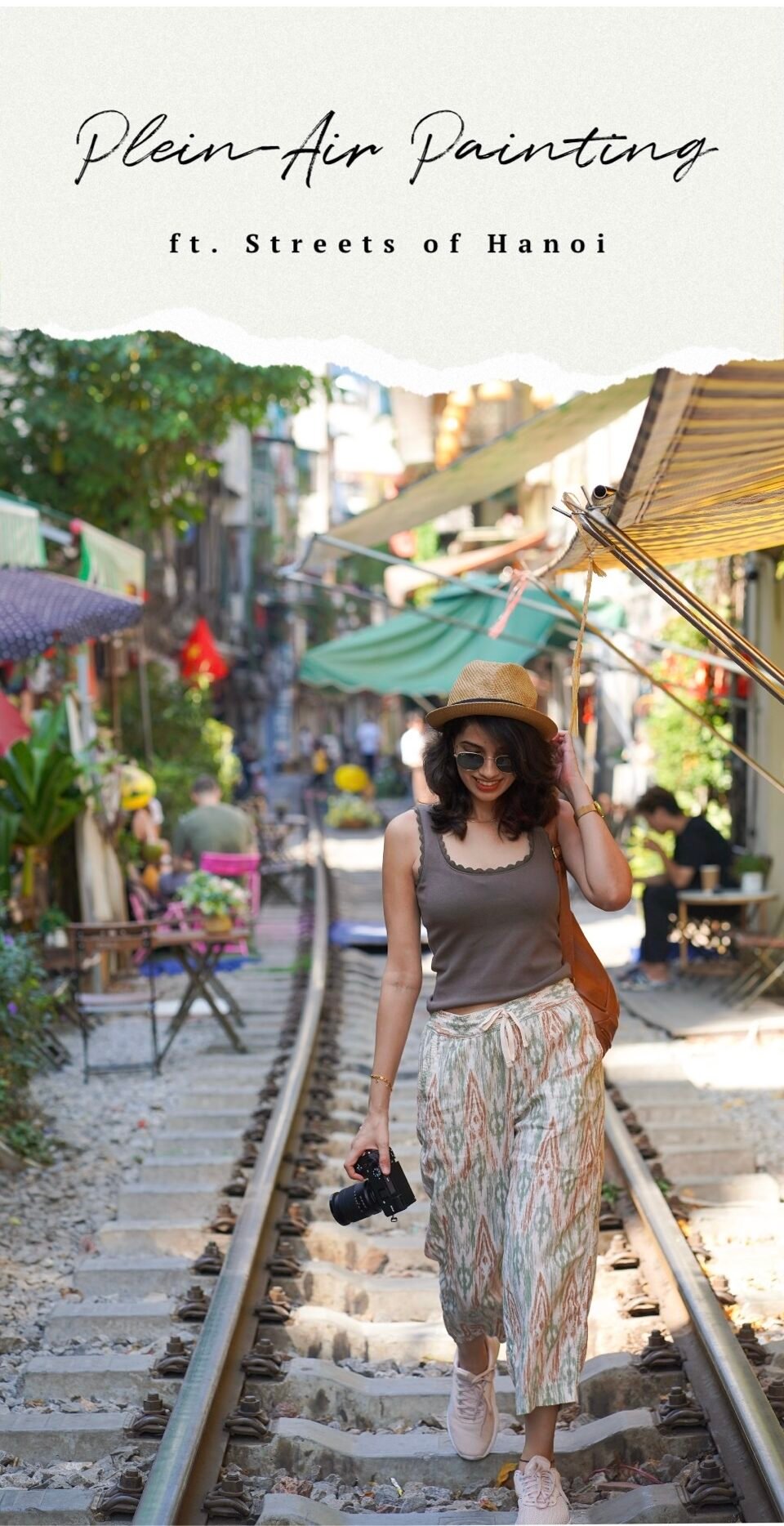
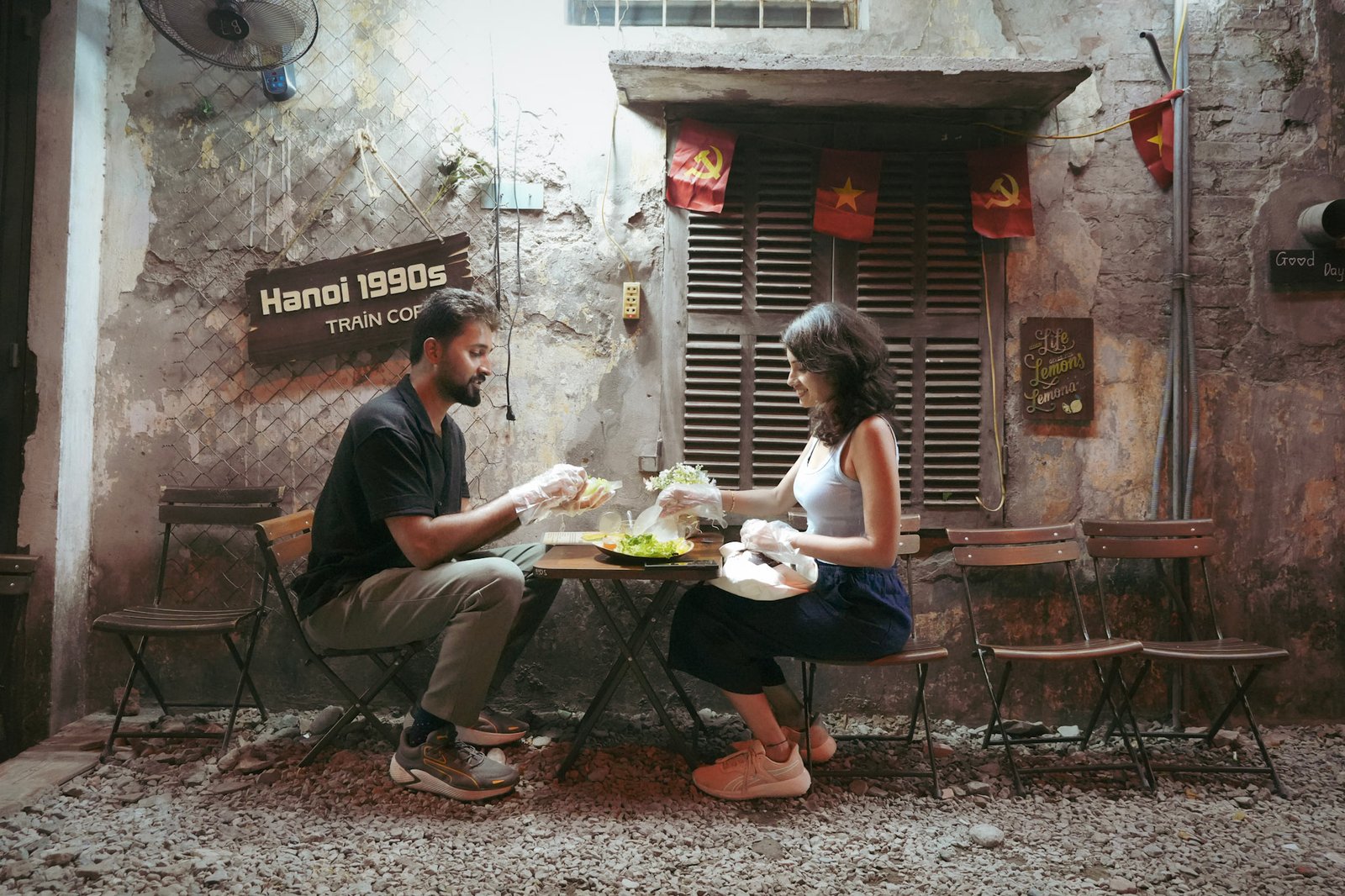
What stayed with us most though, were the little moments – a grandmother insisting we try just one more spring roll, a train squeezing past the cafés of Hanoi, the smell of lemongrass and charcoal on almost every corner. Vietnam is not a place you tick off a list. It is a place you slowly eat, walk and ride your way through.
“Uống nước nhớ nguồn. When you drink water, remember its source.”Vietnam · Ultimate Travel Handbook
Vietnam is so long that Hanoi and Ho Chi Minh City can feel like two different countries on the same day. Somewhere is almost always lovely, so pick your region by the month, not the other way round.
Cool, dry and wonderfully crisp. Best for Hanoi, Ha Long Bay, Ninh Binh and Ha Giang. Pack a warm layer for Sapa in Dec and Jan, it really does get cold!
Long sunny days on the coast for Hoi An, Da Nang and Hue. From Oct to Dec the rains roll in, and the old town of Hoi An can flood.
Dry, warm and easy for Ho Chi Minh City, the Mekong Delta and Phu Quoc. The wet months bring short afternoon showers and greener, quieter days.
Our favourite little window. The terraces of Sapa and Mu Cang Chai turn gold just before the harvest, and the north feels fresh after the rains.
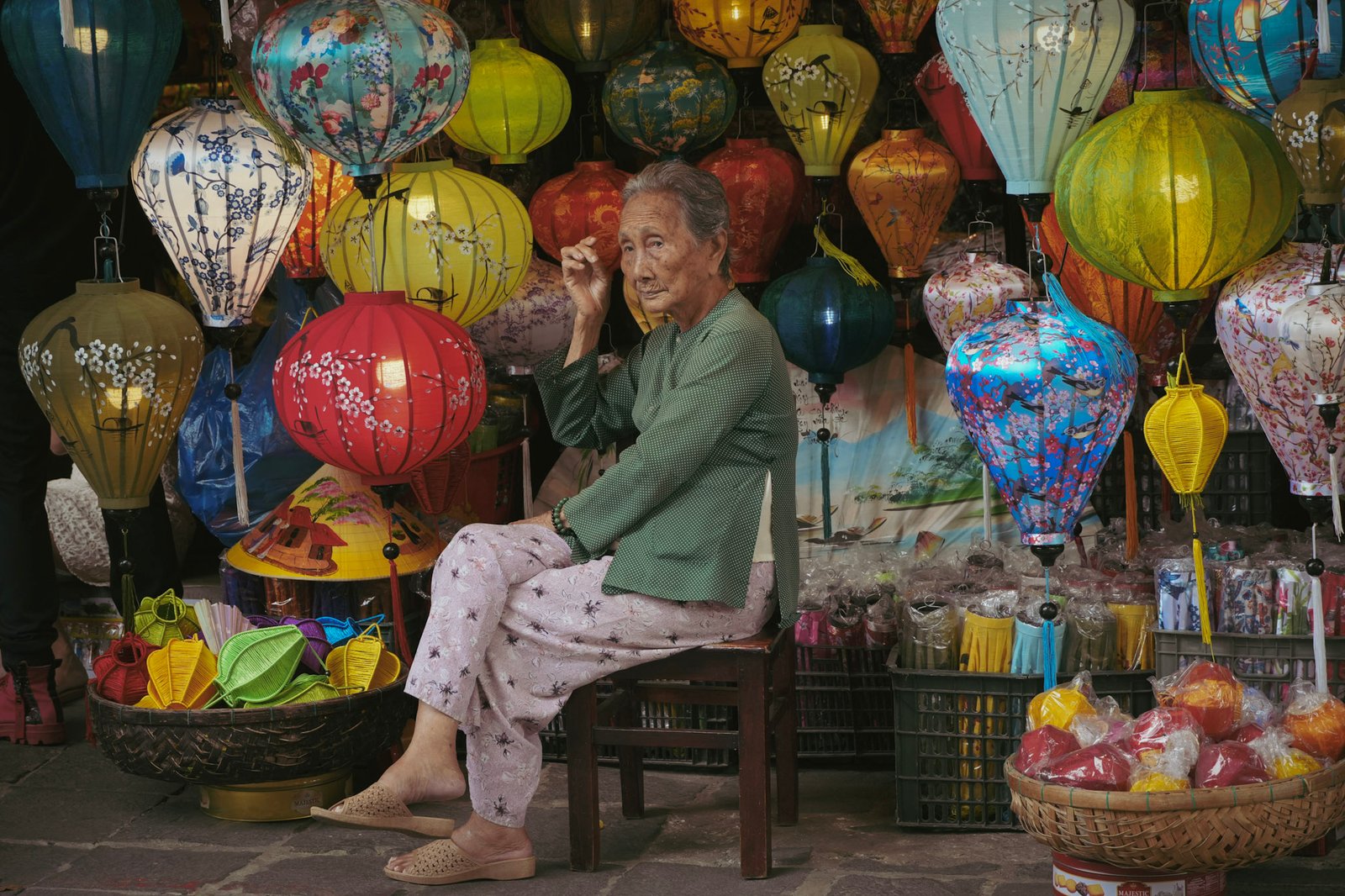
Karst bays and caves in the north, lanterns and tailors in Hoi An, beaches down the coast, or the river life of the Mekong. Food, honestly, comes with all of them.
Ten days covers the north and centre comfortably. Two weeks lets you add Saigon and the Mekong. Fly the long hops and save your days for wandering.
Book Ha Long Bay cruises and the sleeper train from Hanoi a few weeks ahead in peak season. Hotels fill up fast around Tet, the Lunar New Year.
Most trips start in Hanoi, Da Nang or Ho Chi Minh City. Apply for the e-Visa online before you fly, and download Grab before you land.
Viettel and Vinaphone counters sit right at airport arrivals. An eSIM set up before you fly saves the queue. Keep your passport handy for registration.
Get cover for health, delays and accidents, especially if you plan to ride a scooter or trek in the north. Check that two-wheelers are covered.
Tet (Lunar New Year) in late Jan or Feb, full moon lantern nights in Hoi An every month, the Hue Festival in early summer and the Mid-Autumn Festival in Sep.
Drag the sliders, pick a travel style, and get a live ballpark for your Vietnam trip.
Street food, markets and small homestays run on dong. The notes come with lots of zeros, and the 20,000 and 500,000 look surprisingly alike, so count twice before you pay.
Cards work in hotels, malls and most city restaurants. Grab takes your card in the app, which makes rides and food deliveries really easy.
Use bank ATMs like Vietcombank or BIDV and check the fee first. Change a little at the airport, then the rest in town, where the rates are kinder.
Not expected, but always appreciated. Round up for drivers, leave a little for guides and cruise crews, and a smile goes a very long way.
The Reunification Express runs the length of the country. Book a soft sleeper for the stretch to Hue or Da Nang, the coastal views near the Hai Van Pass are lovely.
Cheap and everywhere, with reclining berths for overnight hops. Pick a well-reviewed operator and keep your valuables with you.
Great for Ha Giang, Ninh Binh and the Hai Van Pass. Agree the route, tolls and stops up front, then pause wherever the view asks you to.
Grab works in every big city for cars and bike rides, with the price fixed before you go. For street taxis, stick to Mai Linh or Vinasun.
The old quarters of Hanoi and Hoi An are best on foot. A cyclo ride is slow and a little touristy, but still very charming. Agree the price first.
The classic way to see the north, especially the Ha Giang loop. Carry a valid licence, always wear a helmet, and ride pillion with a local driver if you are new to it.
Overnight cruises on Ha Long and Lan Ha Bay, rowing boats in Ninh Binh and slow boats on the Mekong. Check the safety gear and reviews before you book.
Vietnam Airlines, VietJet and Bamboo connect Hanoi, Da Nang and Saigon in under two hours. Book a few weeks ahead for the best fares.
Every region cooks a little differently, and every street seems to have its own speciality. Look for the busiest row of plastic stools, that is usually where the best bowl is.
“Come for the bays, stay for the bowls of pho. A street-side coffee can easily become a whole afternoon.”
Best in autumn. Old Quarter walks, Train Street and egg coffee on a tiny stool.
Best in spring. An overnight cruise among limestone karsts, kayaking at sunrise.
Best in spring. Rowing boats through Trang An, and the climb up to Mua Cave.
Best in autumn. Terraced valleys, village walks and cosy homestays.
Best in autumn. The famous loop, mountain passes and buckwheat flowers.
Best in autumn. Rice terraces that glow gold in late September.
Best in autumn. Ban Gioc waterfall and quiet karst valleys.
Best in spring. Stilt houses and slow cycling through the paddy fields.
Best in spring. Paradise Cave, jungle treks and a very green river valley.
Best in spring. The Imperial Citadel, royal tombs and a fiery bowl of bun bo Hue.
Best in summer. My Khe beach, the Hai Van Pass and an easy airport.
Best in spring. Lantern-lit lanes, tailors and cao lau by the river.
Best in spring. Cham temple ruins tucked in a jungle valley.
Best in summer. Quiet beaches, Cham towers and very fresh seafood.
Best in summer. Island hopping, diving and a lively beachfront.
Best in winter. Pine hills, flower farms and cool, sweater-weather evenings.
Best in winter. Coffee country, waterfalls and Ede longhouses.
Best in winter. Street food, Ben Thanh market and the War Remnants Museum.
Best in winter. The wartime tunnels, an easy day trip from Saigon.
Best in winter. Red and white sand dunes, and kitesurfers on the bay.
Best in winter. Floating markets at dawn, orchards and river homestays.
Best in winter. Tra Su forest, Sam Mountain and Cham villages.
Best in winter. Sunset beaches, night markets and snorkelling.
Best in spring. Turtle nesting beaches, dive sites and a slower pace.
Best in summer. Lan Ha Bay kayaking and national park hikes.
Most travellers, including Indian passport holders, can apply for an e-Visa on the official government portal. It allows stays of up to 90 days. Apply at least a week before you fly and carry a printout.
Absolutely. Hanoi, Ha Long Bay, Hoi An and Ho Chi Minh City are easy to travel between, people are warm and helpful, and Grab makes getting around simple even without the language.
Ten days covers the north and centre at a comfortable pace. Two weeks lets you add the south and the Mekong Delta. Fly the long distances so you are not losing days on the road.
Easier than you would think. Look for “chay” restaurants, often near pagodas, and learn the phrase “tôi ăn chay” (I eat vegetarian). In regular places, ask for “không nước mắm”, no fish sauce.
Cover your shoulders and knees, and take your shoes off wherever you see others do it. Speak softly, and avoid pointing your feet towards an altar.
We use these partners on our own trips. Booking through them supports Duos Odyssey at no extra cost to you.
Skip-the-line tickets and guided tours.
Use code DUOSTRAVEL for discounts
Hola, Abhinay here!!!
We use cookies to improve your experience on our site. By using our site, you consent to cookies.
Manage your cookie preferences below:
Essential cookies enable basic functions and are necessary for the proper function of the website.
These cookies are needed for adding comments on this website.
Statistics cookies collect information anonymously. This information helps us understand how visitors use our website.
Google Analytics is a powerful tool that tracks and analyzes website traffic for informed marketing decisions.
Service URL: business.safety.google (opens in a new window)
SourceBuster is used by WooCommerce for order attribution based on user source.